All Categories
Featured
Direct Consumer Guide for Selecting 2026 Medicare Insurance
Understanding How Whole Life Insurance Secures Your Future

Consumer Advice for Buying 2026 Life Insurance
Table of Contents
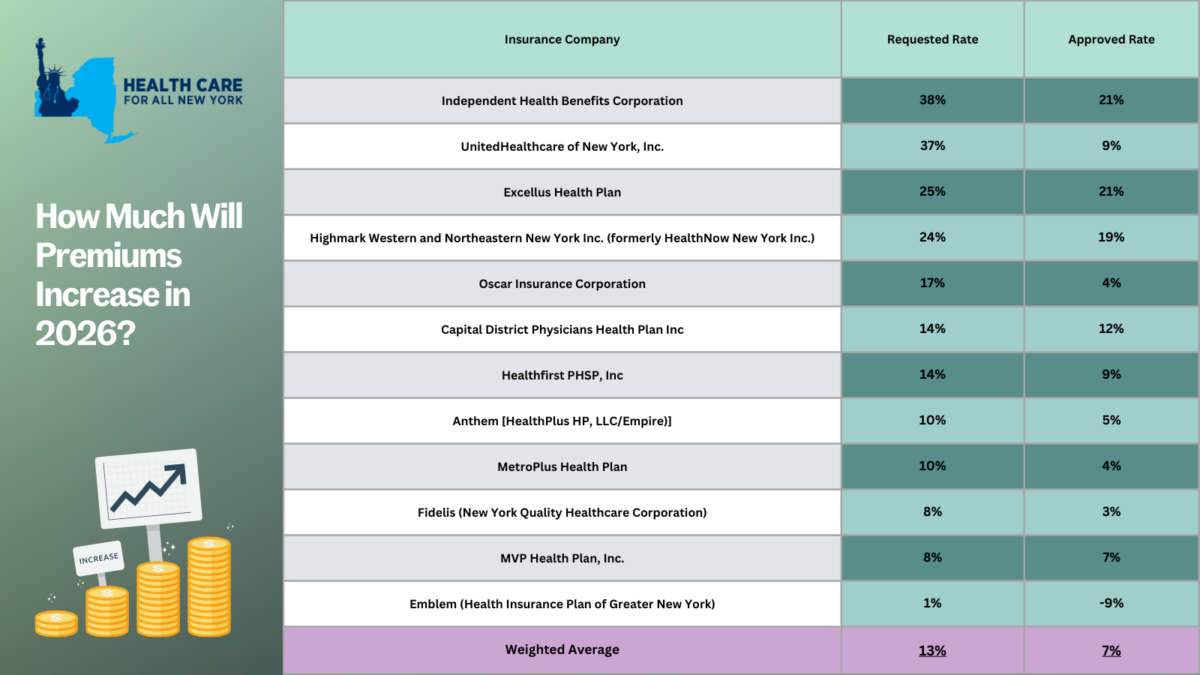
How does the 2026 subsidy cliff affect Pennsylvania household health insurance? The return of the 400 percent FPL aid cliff in 2026 roughly $128,600 yearly income for a family of four considerably increased expenses for middle-income Pennsylvania households on Pennie.
Even families above the APTC threshold may have children eligible for CHIP if household earnings is below 319 percent FPL per-child, considerably reducing overall household coverage cost. Can Pennsylvania households register in CHIP outside of open enrollment?
Children who acquire eligibility due to earnings modifications, loss of other coverage, or other situations can be registered in CHIP at any point throughout the year. CHIP, Medical Assistance, and Pennie market strategies frequently work together for Pennsylvania households.'s licensed PA brokers confirm eligibility for every household member and complete enrollment at no additional cost.
is not affiliated with Pennie, the Pennsylvania Department of Human Being Solutions, the Pennsylvania Insurance Department, or any provider consisting of CHIP providers. The firm helps Pennsylvania residents compare plans and enlist in protection at no extra cost.
An insurance program jointly funded by states and the federal government that supplies medical insurance to low-income children and, in some states, pregnant females in families who earn excessive income to get approved for Medicaid but can not afford to purchase private health insurance protection.
Medicare Provider Network TipsAccessing New Life Insurance Benefits for Veterans
We found out the other day that the typical expense of a family medical insurance policy through a company reached nearly $27,000 this year, 6% higher than what it cost in 2024. As if that weren't alarming enough, researchers are predicting that the total most likely will soar toward $30,000 next year since of rising medical costs and the unrelenting pressure insurers are under from Wall Street to increase their profits.
In spite of duplicated guarantees from insurance companies that we can depend on them to hold down the expense of healthcare and subsequently the premiums they charge there are now several years of evidence from scientists like KFF, which tracks annual changes in employer-sponsored protection that they have not and can not deliver on their promises.
A health insurance coverage policy today is normally less important than it was a years earlier since families need to spend increasingly more cash out of their own pockets every year before their coverage begins. In addition, they are much more likely to be alerted that their insurers will not cover the care their physicians say they require.

That is a rate of increase much greater than general inflation and also higher than medical inflation. Not only has the total cost of an employer-sponsored strategy escalated, so has the share of premiums workers must pay. This year, employers deducted approximately $6,850 from their employees' incomes for family coverage, up from $4,823 in 2014, a 42% boost.
Medicare Provider Network TipsThe Affordable Care Act, to its credit, instituted a cap on out-of-pocket costs in 2014, however that cap has been increasing yearly along with premiums. (The U.S. Department of Health & Human Solutions sets the out-of-pocket max every year, pegging it to the average boost in premiums.)In 2014 the out-of-pocket cap for a family policy was $12,700.
Accessing Top Life Insurance Rates for Veterans
And bear in mind that the cap only applies to in-network care. If you go out of your insurance company's network or take a medication not covered under your policy, you can be on the hook for hundreds or thousands more. While most employer-sponsored plans have caps that are significantly lower, many people and families reach the legal max every year.
Collectively, those 7 business made $71.3 billion in earnings in 2015 alone. That was up a little from $70.7 billion in 2023. Insurers said their 2024 revenues were rather depressed because more of their health plan enrollees went to the doctor and picked up their prescriptions in 2015. Investors were furious that insurance companies couldn't keep that from occurring, as you'll see in the charts listed below.
But in general, the stock rates of the big insurance coverage corporations have increased steadily for many years as we and our employers have needed to spend more for policies that cover less. UnitedHealth Group, the biggest of the seven, saw its stock rate increase 483% in between 2014 and 2024 from $85.31 a share on Dec.
Benefits of Permanent Life Insurance to Protect Families
31, 2024. Many of the other business saw similar growth in their shares over that time period. By contrast, the Dow Jones Industrial Average increased 139% (from $17,823.07 to $42,544.22), and the S&P 500 increased 186% (from $2,058.90 to $5,881.63) throughout the exact same period. Back to those premiums and out-of-pocket requirements.

Latest Posts
Reviewing New Life Insurance Benefits for Veterans
Understanding PPO Versus PPO Networks
Direct Consumer Guide for Selecting 2026 Medicare Insurance